On July 25 and 26, 2026, the Interfaith Conference on Religious Tourism: A Path to Peace and Human Fraternity occurred at Centro Pastoral VI in Fátima. Organized as part of the International Workshops on Religious Tourism, the conference featured distinguished speakers representing major religious communities in Portugal. The event was moderated by Fabrizio Boscaglia, Deputy Director of the Master's Program in Religious Studies at Universidade Lusófona and a specialist in religious tourism in Portugal.
Religious tourism has emerged as one of the most significant forms of cultural and spiritual travel in the modern world, bringing millions of people to sacred sites and places of worship each year. Beyond its economic and social benefits, religious tourism serves as a powerful means of fostering dialogue, mutual understanding, and cooperation among people of different faiths, cultures, and backgrounds. In an era marked by increasing globalization as well as growing challenges of intolerance, division, and conflict, religious tourism offers a unique opportunity to build bridges between communities and promote a culture of peace.
The theme, "Interreligious Conference on Religious Tourism: A Path to Peace and Human Fraternity," highlights the vital role that faith-based travel can play in strengthening relationships among diverse religious traditions. By encouraging encounters with different cultures and beliefs, religious tourism helps break down stereotypes, cultivate respect for diversity, and reinforce the universal values of compassion, solidarity, and human dignity that are shared by all major religions.
This conference seeks to explore how religious tourism can contribute to peaceful coexistence, intercultural dialogue, and sustainable development while preserving the spiritual and cultural heritage of sacred sites. It provides a platform for religious leaders, policymakers, academics, tourism professionals, and civil society representatives to exchange ideas and identify practical ways to use religious tourism as a tool for promoting peace and human fraternity.
Ultimately, religious tourism is more than a journey to holy places; it is a journey toward greater understanding, respect, and unity among peoples. By embracing the values of dialogue and cooperation, it can help create a world where differences are celebrated and where peace and fraternity flourish across nations and communities.
Notable Speakers
- Abdullah Seedat – Imam of the Islamic Community of Palmela
- Carlos Cabecinhas – Priest and Rector of the Sanctuary of Fátima
- Isaac Assor – Former Vice-President of the Jewish Community of Lisbon
- Sandra Reis – President of the Evangelical Presbyterian Church of Portugal
- Paulo Borges – Former President of the Portuguese Buddhist Union and Professor of Philosophy of Religion at the University of Lisbon
- Shiv Kumar Singh – Representative of the Hindu Community of Portugal and Professor of Indian Cultures at the University of Lisbon
This initiative was supported by key tourism and religious organizations, including Visit Portugal, Médio Tejo, Ourém Municipality, and ACISO (Associação Empresarial Ourém-Fátima).
For more details about the event and registration, visit the International Workshops on Religious Tourism.
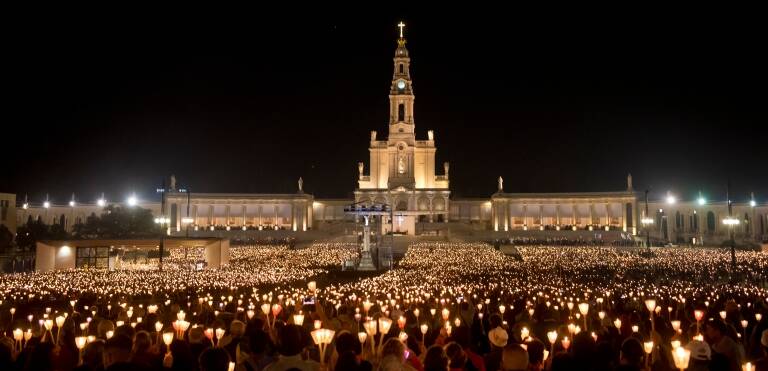
Interreligious Conference on Religious Tourism: A Path to Peace and Human Fraternity
This conference focuses on how religious tourism and pilgrimage can promote mutual understanding, respect, and cooperation among people of different faiths and cultures. It explores the role of sacred sites, spiritual journeys, and intercultural dialogue in fostering peace, social cohesion, and human fraternity.
Key themes often include:
- Promoting dialogue between different religious communities.
- Encouraging respect for cultural and religious diversity.
- Using pilgrimage and religious tourism as tools for peacebuilding.
- Protecting and preserving religious and cultural heritage sites.
- Strengthening collaboration among governments, faith leaders, tourism organizations, and local communities.
- Advancing the values of tolerance, solidarity, and human dignity.
The overall goal is to demonstrate that religious tourism can be more than travel—it can serve as a bridge between peoples, helping to build a more peaceful and united world based on shared human values.
Speech on “Interreligious Conference on Religious Tourism: A Path to Peace and Human Fraternity”
Distinguished guests, respected religious leaders, esteemed scholars, ladies and gentlemen,
Good morning/afternoon.
It is a great honor and privilege to address this gathering on the theme, “Interreligious Conference on Religious Tourism: A Path to Peace and Human Fraternity.”
We live in a world that is increasingly interconnected, yet often divided by misunderstanding, prejudice, and conflict. In such a context, initiatives that bring people together across religious, cultural, and national boundaries are more important than ever. Religious tourism is one such initiative. It offers not only an opportunity to visit sacred places but also a chance to encounter one another, learn from one another, and recognize our shared humanity.
Throughout history, people of faith have embarked on pilgrimages and spiritual journeys seeking wisdom, inspiration, and a deeper connection with the divine. Today, these journeys can also become pathways to dialogue and peace. When people visit sacred sites belonging to different religious traditions, they gain insight into the beliefs, values, and customs of others. Such encounters help replace misconceptions with understanding and suspicion with respect.
Religious tourism demonstrates that despite our differences, we share many common values. Every major faith tradition teaches compassion, kindness, justice, forgiveness, and respect for human dignity. These universal principles remind us that we belong to one human family. By highlighting these shared values, religious tourism can strengthen the spirit of human fraternity and encourage peaceful coexistence among diverse communities.
Moreover, religious tourism contributes to cultural exchange and mutual enrichment. It enables visitors to appreciate the rich heritage of different civilizations and to recognize the importance of preserving sacred sites for future generations. These places are not only monuments of faith but also symbols of our collective history and identity. Protecting them is a shared responsibility that transcends religious and national boundaries.
At the same time, we must ensure that religious tourism is sustainable, inclusive, and respectful. The growth of tourism should never compromise the spiritual significance of sacred places or the well-being of local communities. Governments, religious institutions, tourism organizations, and civil society must work together to promote responsible practices that preserve both cultural heritage and human dignity.
This conference provides a valuable platform for dialogue and collaboration. It allows us to exchange ideas, share experiences, and develop strategies for using religious tourism as a force for peace. By strengthening partnerships among faith communities and encouraging intercultural understanding, we can contribute to a more harmonious and compassionate world.
Ladies and gentlemen,
Peace is not built only through treaties and political agreements. It is also built through personal encounters, mutual respect, and genuine understanding. Every pilgrimage, every visit to a sacred site, and every meaningful conversation between people of different faiths can become a small but significant step toward a more peaceful world.
Let us therefore embrace religious tourism as a bridge between cultures, a catalyst for dialogue, and a pathway to human fraternity. Let us work together to ensure that our sacred journeys inspire not only spiritual growth but also solidarity, friendship, and peace among all people.
In closing, I would like to reaffirm our shared commitment to promoting understanding, respecting diversity, and building a future where people of all faiths and backgrounds can live together in peace and dignity.
Thank you for your attention.
May peace, harmony, and human fraternity guide our common journey.